
Build Soil Wealth with Composting and Biochar
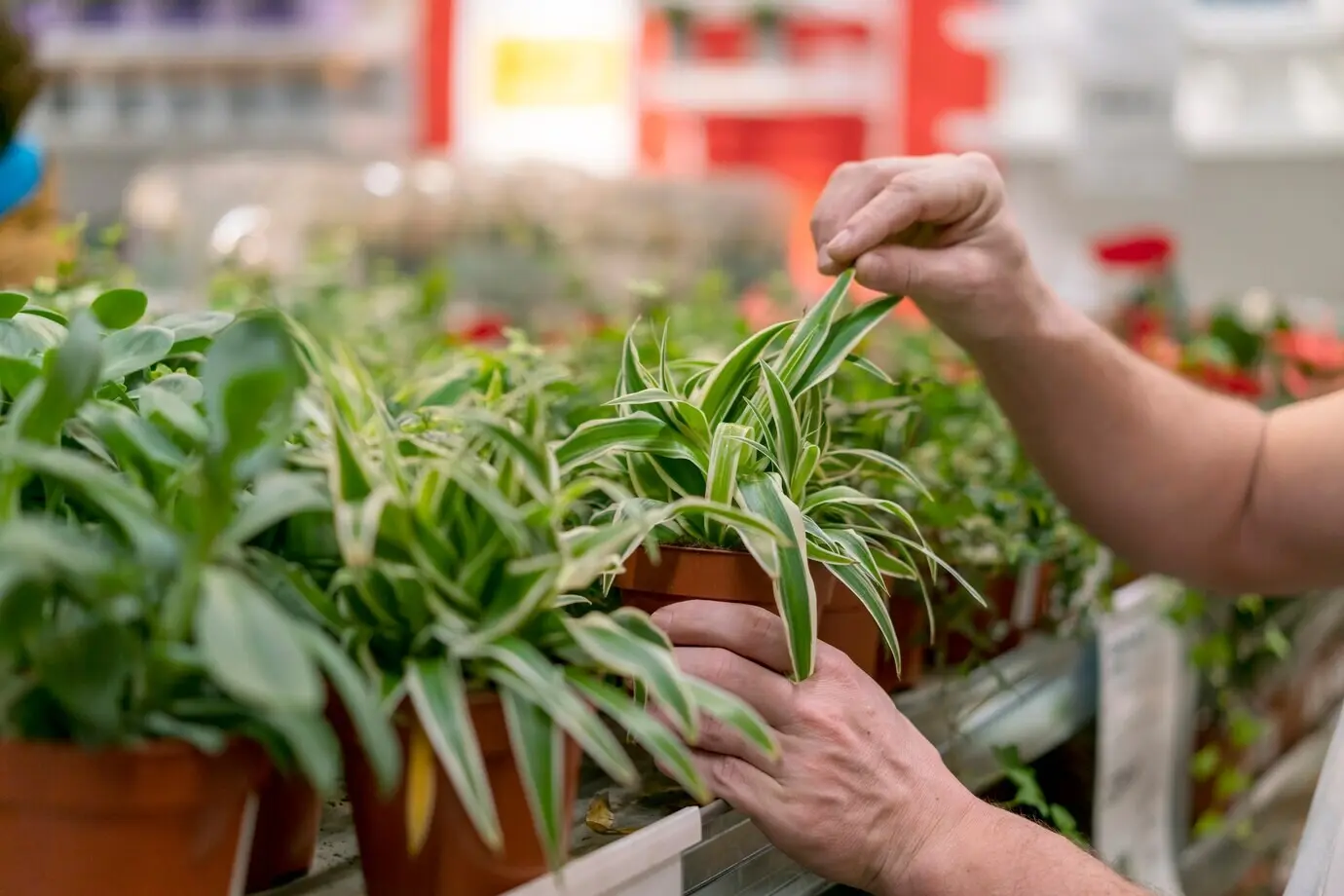
Today we explore composting and biochar equipment for closed-loop nutrient management, uniting practical tools and living systems to keep fertility cycling on-site. From shredders and aerated static piles to clean-burning pyrolysis units and smart sensors, discover how careful design, data, and community can transform waste streams into resilient soil amendments, reliable harvests, and durable climate benefits that grow stronger with every cycle.

Keeping Nutrients On-Site

Runoff, volatilization, and leaching are quiet thieves. By processing organics into stable compost and porous biochar, you hold onto nitrogen and phosphorus that would otherwise drift away. Farms, campuses, and food businesses report cleaner yards, clearer drains, and healthier beds, while reducing purchase of fertilizers whose prices whiplash with global markets.

Soil Biology as Your Partner

Healthy soil is a federation of microbes negotiating energy and minerals. Compost provides diverse food and signals, while biochar offers long-term housing and exchange surfaces. Together they moderate moisture swings, reduce stress on roots, and sustain enzymatic activity during heat or cold, turning unpredictable seasons into manageable challenges with a living buffer beneath every crop.

Aerated Piles, Windrows, and Turners

Blower-managed aeration can halve labor and tighten emissions, while windrows shine for flexible feedstocks and visibility. Turners homogenize moisture and particle size, reducing hotspots and odors. Well-placed perforated pipes, timers, and backpressure gauges keep oxygen flowing evenly, and a simple tarp or breathable cover keeps rain out without suffocating the biology working for you beneath.

Retorts, TLUDs, and Continuous Pyrolysis

Small sites often start with clean TLUD barrels or insulated retorts, producing predictable char from prunings or nut shells. As volumes grow, continuous units bring steady throughput and integrated gas handling. Prioritize secondary combustion, insulation, and feedstock consistency to limit tars and particulate, protecting operators and neighbors while locking carbon into a stable, soil-ready form.

Receiving, Sorting, and Shredding

Clear signage and friendly training reduce contamination at the gate. Sorting tables, magnets, and quick bins keep tools close and decisions fast. Shredding balances particle size for airflow and moisture retention. Simple habits—like logging loads, photographing anomalies, and tagging batches—save days later, ensuring that what enters your process exits as reliable, trusted soil-building amendments.

Controlled Transformation with Sensors

Temperature curves reveal microbial arcs, oxygen readings confirm respiration, and moisture data prevents stalled piles. For biochar, thermocouples, sight ports, and flue opacity checks indicate clean combustion and consistent residence times. With even lightweight sensors and a clipboard, you can time turns, adjust airflow, and match feed rates to conditions, turning variability into repeatable performance.

Measuring Quality: Data-Driven Soil Amendments

Quality is a promise you can prove. Moisture, pH, EC, stability, and nutrient profiles build confidence for growers and regulators. For biochar, ash content, volatile matter, and surface area help predict performance. A modest, consistent testing protocol reduces disputes, guides pricing, and teaches your team to see patterns that improve uptime, reduce emissions, and elevate plant responses season after season.

Temperature, Oxygen, and Moisture

Thermal peaks ensure pathogen reduction, but only when oxygen is sufficient and moisture stays in the sweet zone. Hand-squeeze tests, reliable probes, and breathable covers provide control without complexity. Track these basics weekly, and you will prevent odors, shrink labor, and deliver stable, attractive material that spreads easily and supports seedlings instead of stressing them.

Compost Maturity, Pathogen Kill, and Fit-for-Purpose

Maturity expresses as steady temperature, earthy aroma, and seed germination success. Simple Solvita or respirometry checks add objectivity. Documenting time above critical temperatures supports pathogen assurance. Tailor blends for beds, trees, or media, and you will stop chasing one-size-fits-all specifications, replacing that habit with clear purposes that plants reward with uniform, dependable growth.

Biochar Properties, Safety, and Performance

Feedstock and process shape char outcomes. Lower ash improves cation exchange contributions; appropriate particle size aids blending; clean combustion protects lungs and neighbors. Consider leachable compounds and rinse or age when needed. Field trials—small, replicated, honestly measured—teach more than brochures, aligning expectations with soil texture, irrigation style, and the crops you steward each week.

Risk, Rules, and Climate Impact

Resilient operations respect safety and regulations as design partners, not obstacles. Fire control, air quality, and worker protection form a sturdy backbone for trust. Documentation builds credibility. Meanwhile, carbon sequestration, reduced methane, and improved water holding contribute measurable climate benefits. Tell that story accurately, and your neighbors, funders, and customers will champion your steady, transparent progress.

Action Plan: Start Small, Learn Fast, Scale Wisely

Momentum comes from wins you can measure. Pick one feedstock, one compost method, and one biochar unit that match your capacity. Document every batch, share results with stakeholders, and adjust boldly yet safely. When quality feels boring because it is consistent, step up volume, expand collection partners, and invite your community to celebrate cleaner cycles and richer soils together.

01

Choose a Pilot That Teaches

A campus courtyard, a restaurant cluster, or a neighborhood orchard can provide continuous material and feedback. Define a target metric—moisture control, energy capture, or contamination reduction—and focus relentlessly. Celebrate each improvement with photos and charts, not just anecdotes, so your team sees progress and trusts the next round of investment decisions.

02

Build Partnerships and Share Results

Neighbors, chefs, grounds crews, and students become your allies when they understand benefits. Host short demos, publish a one-page summary, and deliver small bags of finished blends for trials. Ask for honest feedback on handling, smell, and plant response. These conversations prevent blind spots and create champions who advocate for your continued growth.

03

Invite Questions, Subscribe, and Stay Involved

We love hearing what you are testing, celebrating, or puzzling over. Share your observations, request comparisons, or suggest field trials you want explored. Subscribe for practical checklists, mini case studies, and tool evaluations. Your comments steer future deep dives, ensuring every new post strengthens real operations and keeps fertility, value, and goodwill cycling close to home.

Pukivavakoxela
Privacy Overview

This website uses cookies so that we can provide you with the best user experience possible. Cookie information is stored in your browser and performs functions such as recognising you when you return to our website and helping our team to understand which sections of the website you find most interesting and useful.